016 min read
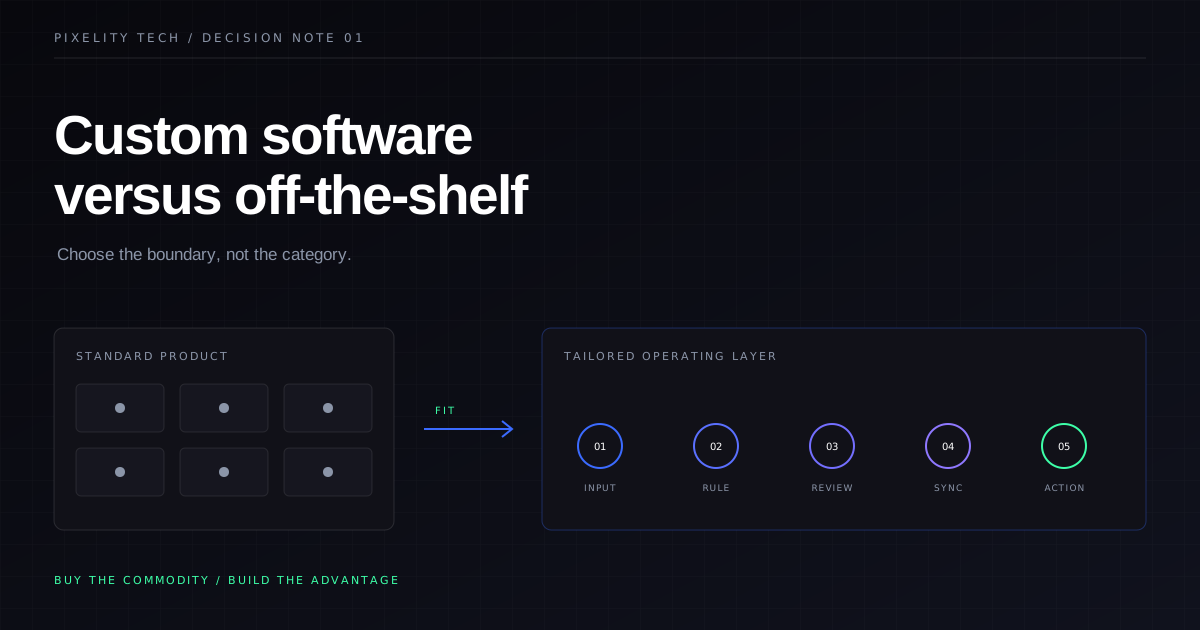
Custom Software Versus Off-the-Shelf Software
A practical way to decide whether your business should adapt to an existing product or invest in software designed around its operation.
Read field notePixelity Tech / Insights
Practical field notes for choosing, shaping, and governing business software—written for the people accountable for how work actually runs.
A practical way to decide whether your business should adapt to an existing product or invest in software designed around its operation.
Read field note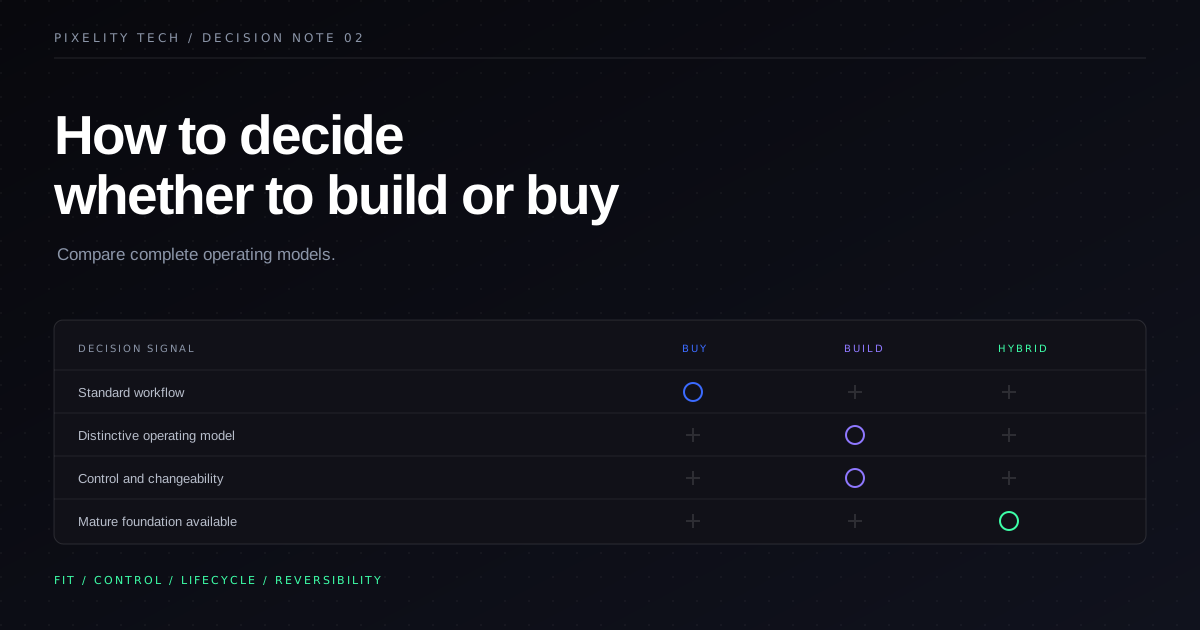
A build-or-buy framework for teams that need to compare strategic fit, lifecycle cost, delivery risk, and the ability to change later.
Read field note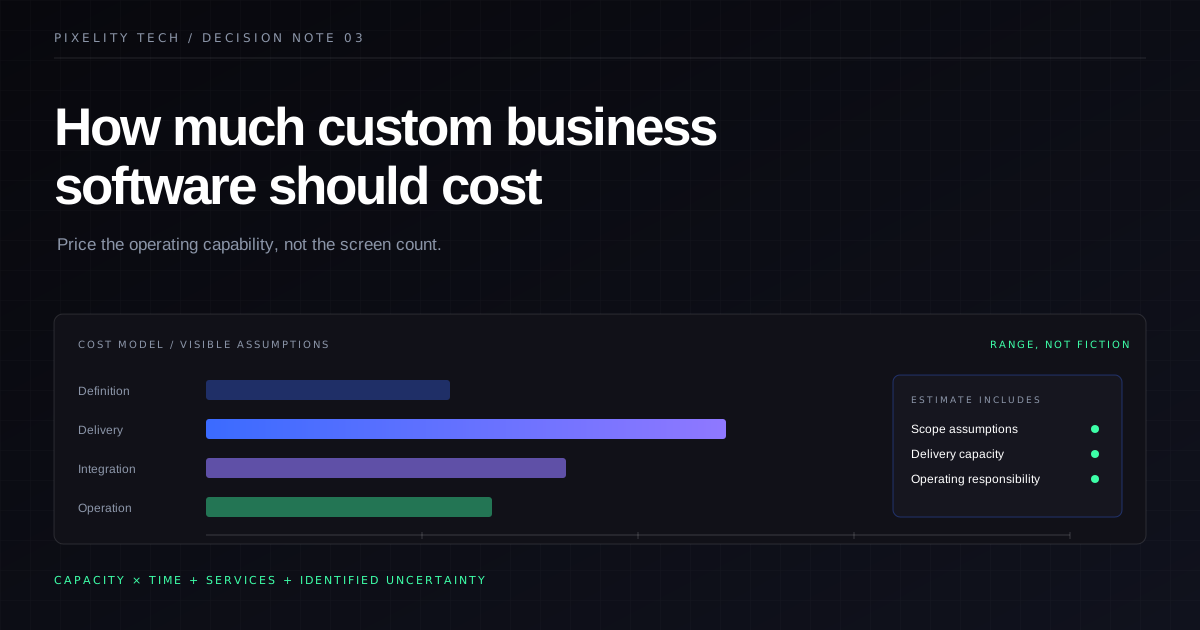
What a credible custom-software budget includes, which variables move it, and how to compare estimates without rewarding false precision.
Read field note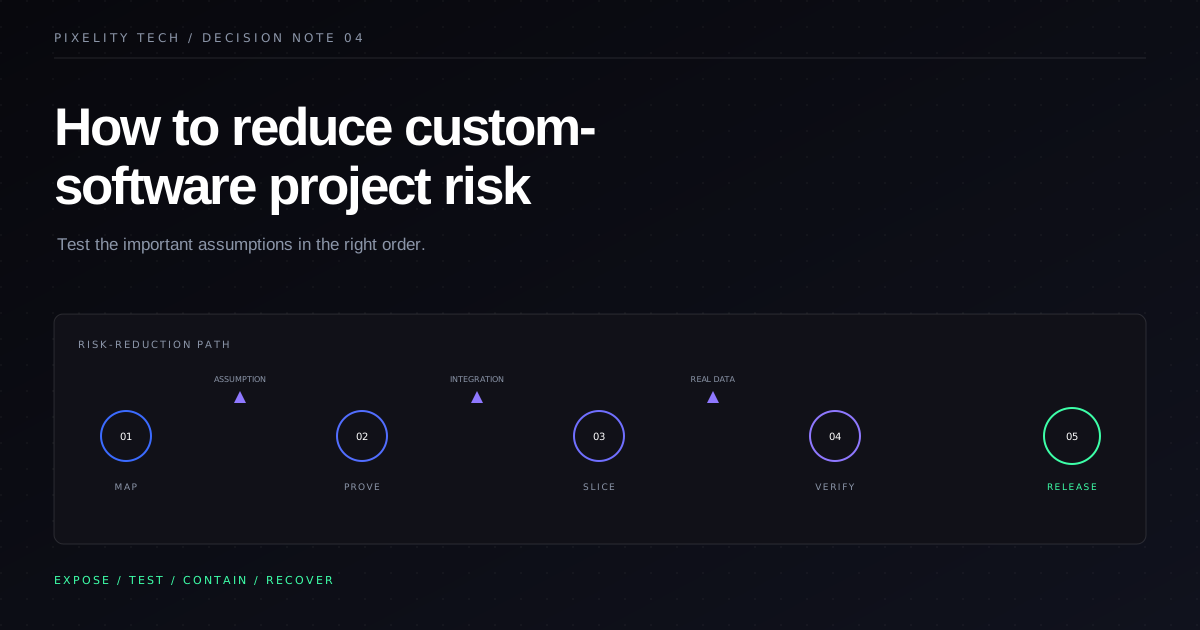
A practical risk-control model for custom software, from workflow definition and technical proofs to rollout, ownership, and recovery.
Read field note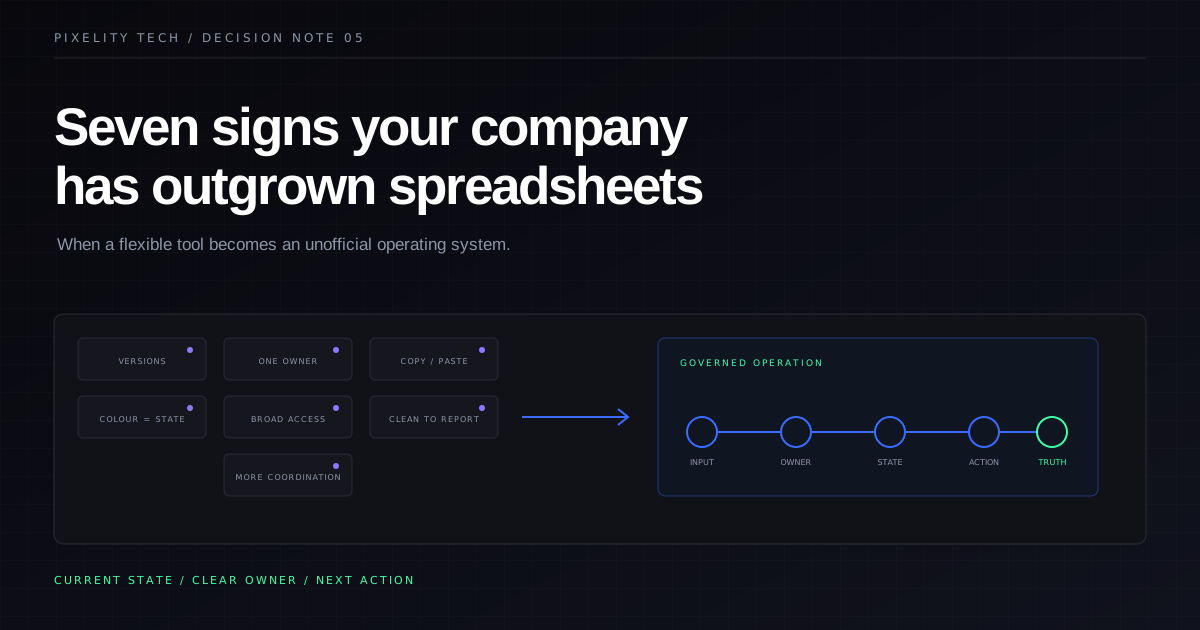
Spreadsheets are excellent tools until they become an unofficial operating system. These seven signs show when a process needs a governed business system instead.
Read field note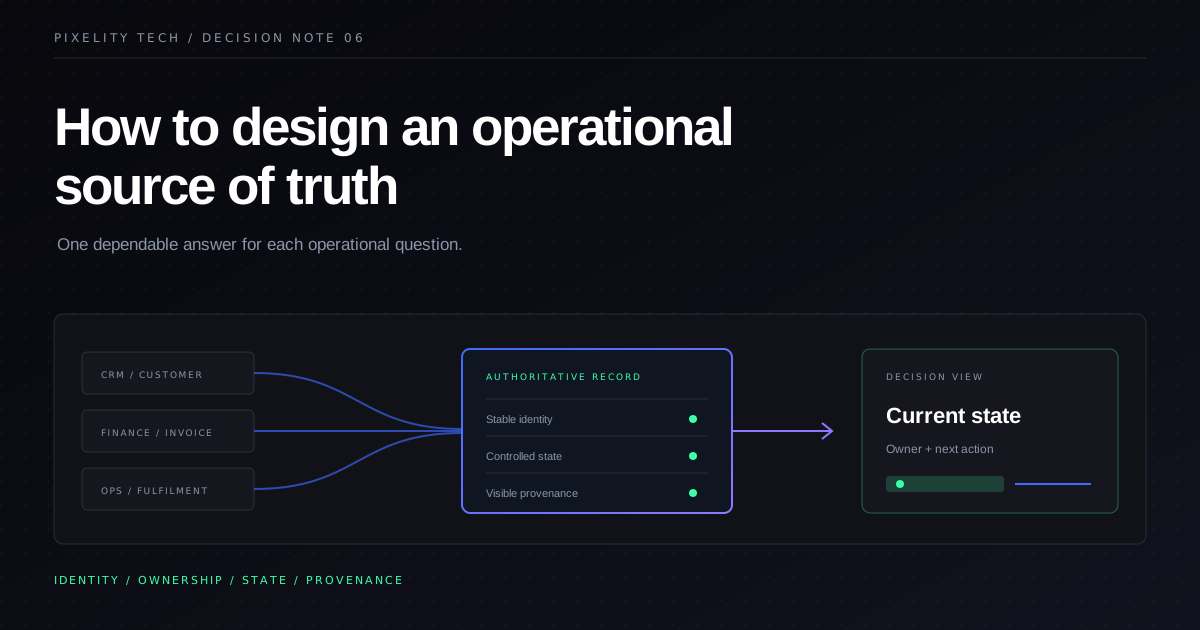
A source of truth is an ownership model, not a dashboard. Learn how to define authoritative data, workflow state, provenance, and reconciliation across business systems.
Read field note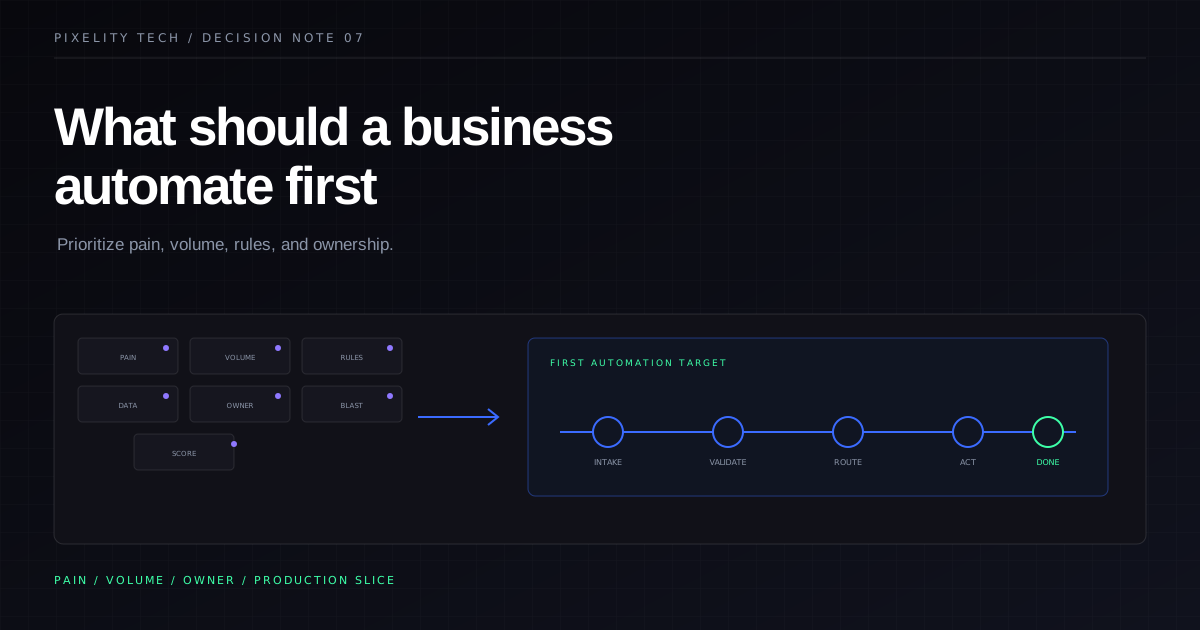
Automation should follow pain, not ambition. Use this prioritization framework to choose the first workflow worth automating without overbuilding.
Read field note
Automation executes decisions inside a workflow. Integration moves data between systems. Confusing the two leads to duplicate records, brittle scripts, and tools nobody trusts.
Read field note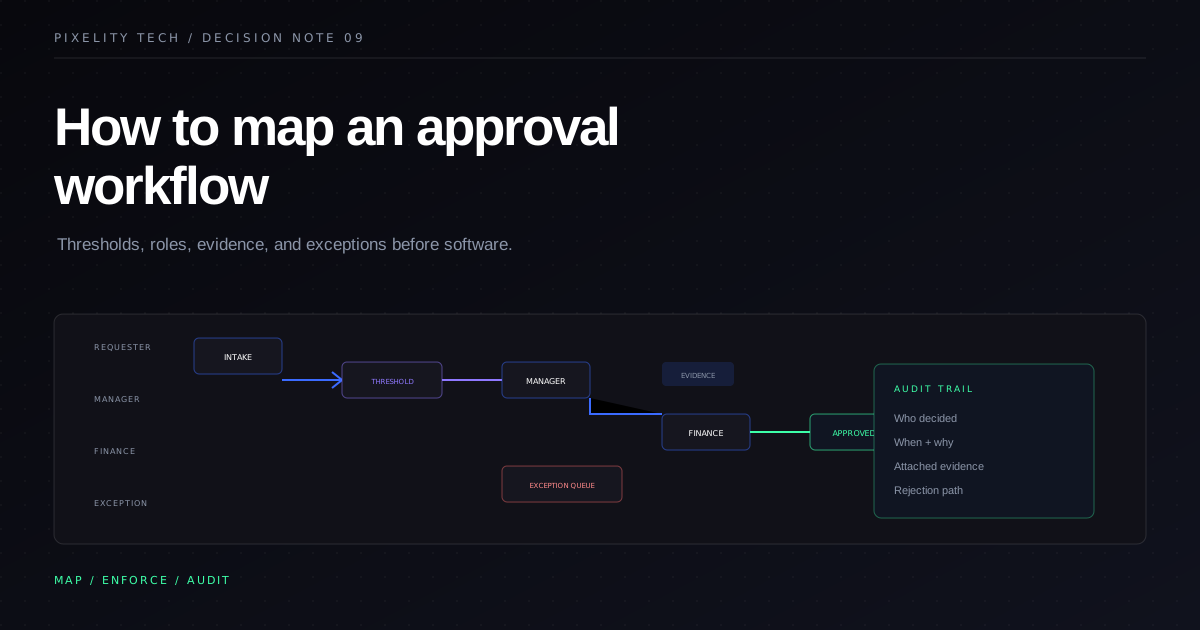
Approval workflows fail when policy lives in email and memory. This guide shows how to map thresholds, roles, evidence, and exceptions before software is built.
Read field note
Automation is not always the right first move. Learn the operational signals that call for clarity, ownership, or integration before software executes a workflow.
Read field note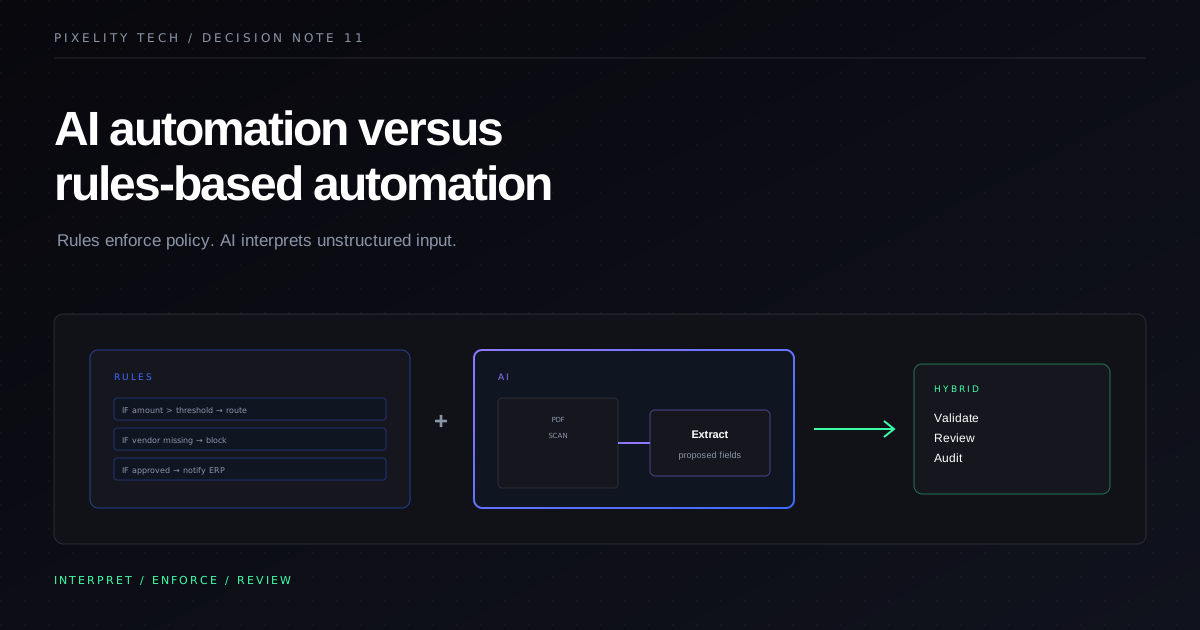
Rules execute policy. AI interprets unstructured input. Learn when each approach fits, how to combine them, and why human review belongs in the architecture.
Read field note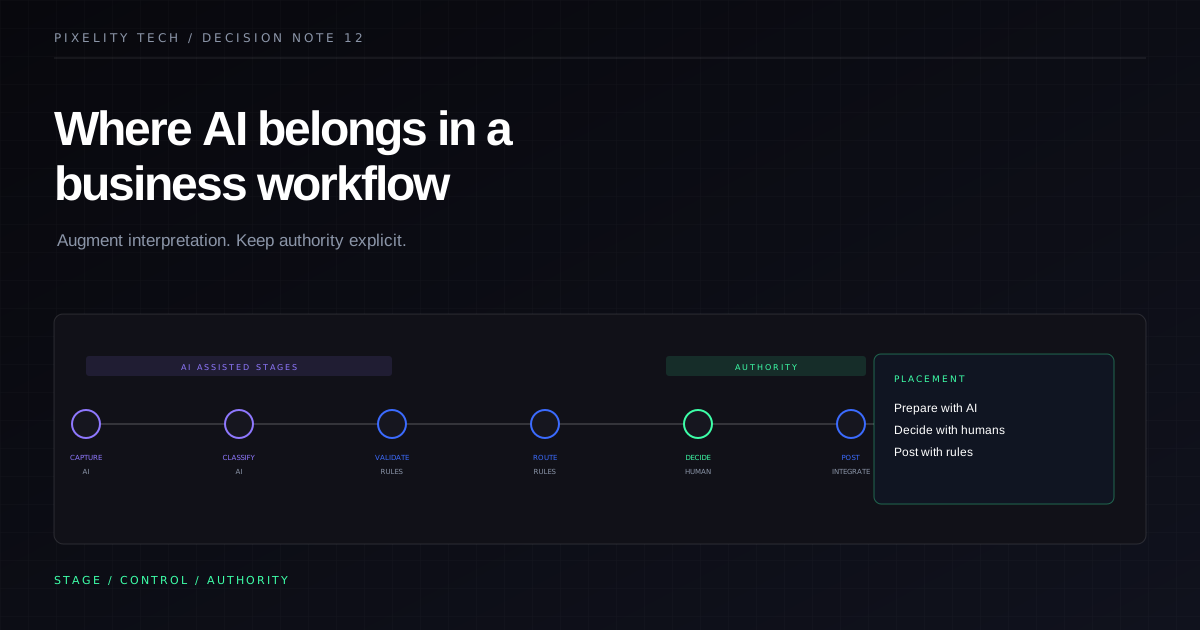
AI creates the most value at specific workflow stages—not everywhere. Use this placement model to augment intake, classification, and preparation while keeping authority explicit.
Read field note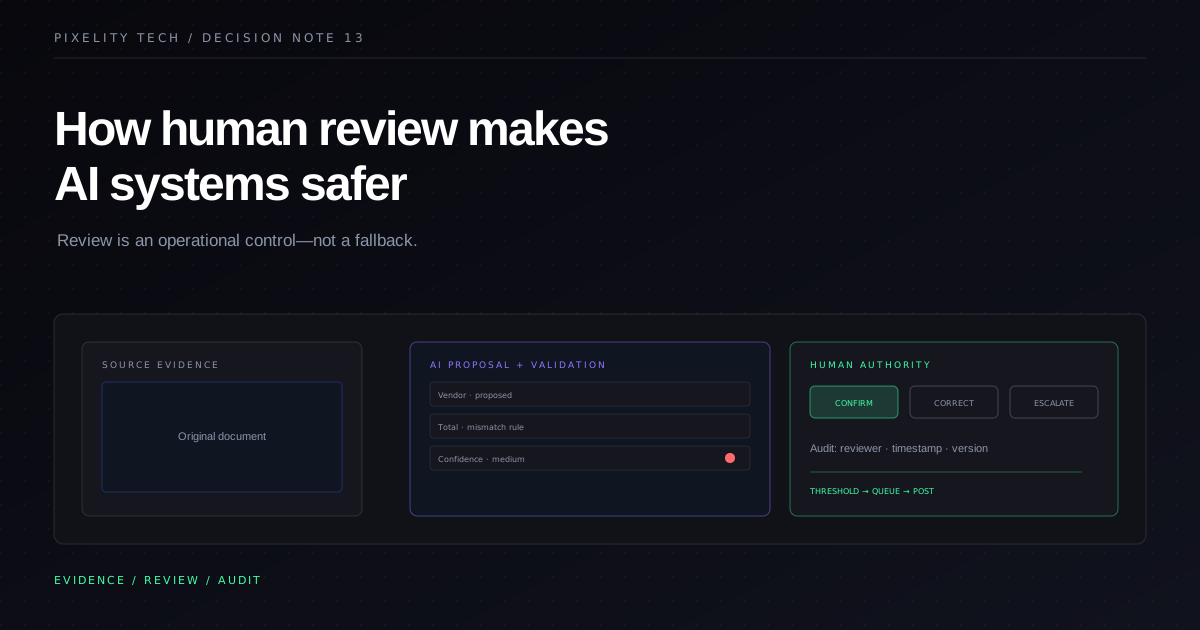
Human review is not a fallback for weak AI. It is an operational control—thresholds, queues, authority, and audit—that makes probabilistic automation acceptable in production.
Read field note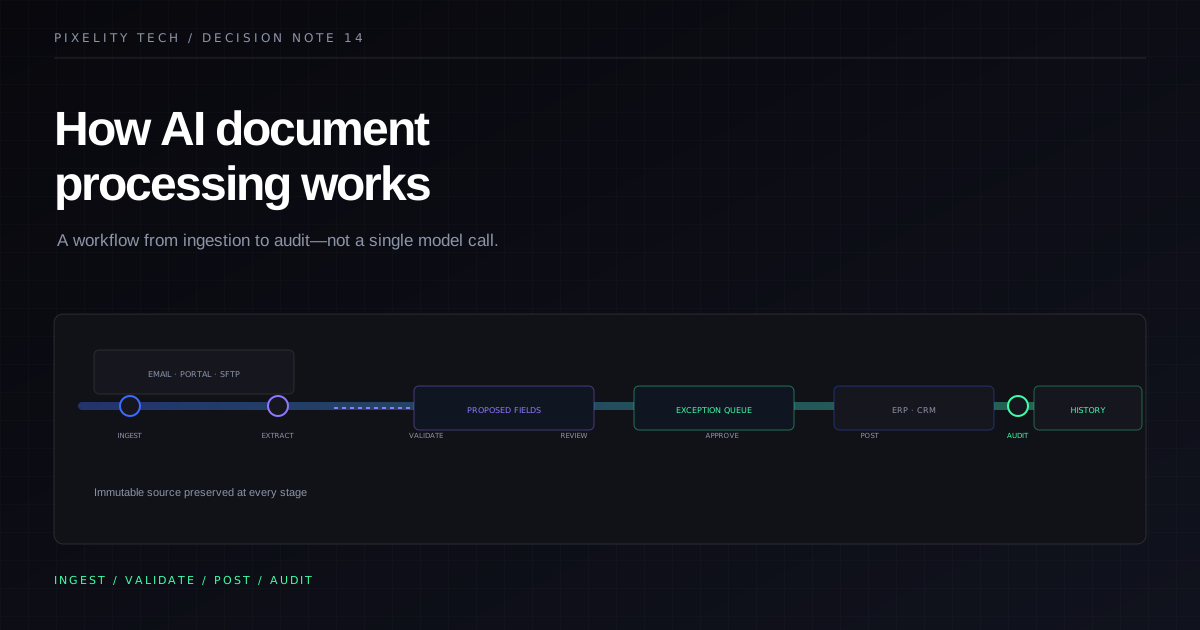
AI document processing is a workflow—not a single model call. Follow the path from ingestion and extraction through validation, human review, routing, and audit.
Read field note